
Prayer is one of the most important practices in a Christian's life, yet it can also be one of the easiest to neglect. Busy schedules, distractions, responsibilities, and uncertainty can leave little time to slow down and intentionally talk with God. But prayer is not simply another religious activity to check off a list. It is a way for Christians to communicate with God, seek His guidance, express their needs, give thanks, and grow in their relationship with Him. At The Lighthouse Church, we believe prayer is an essential part of following Jesus and developing a healthy, growing Christian life.
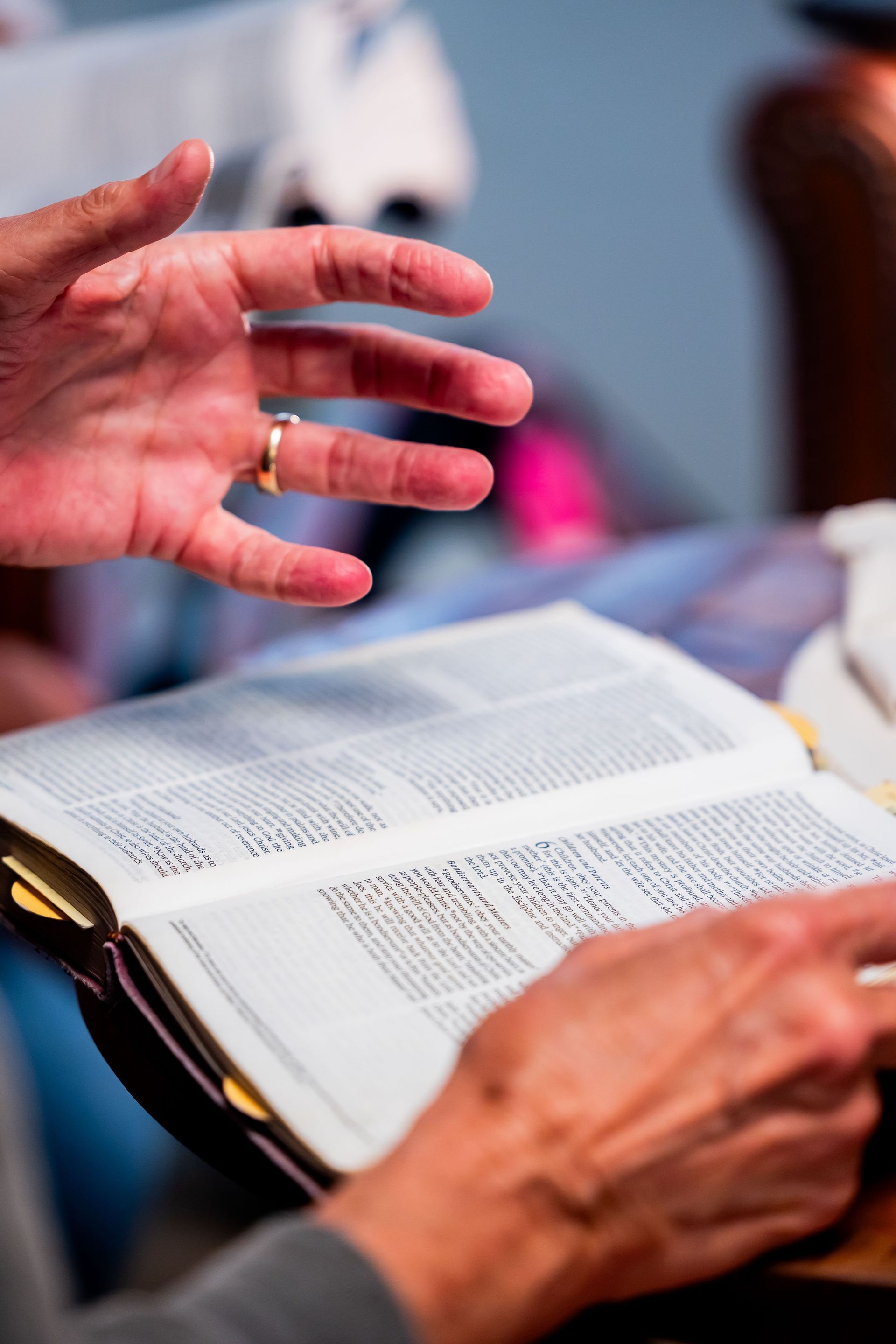
Faith grows through more than what we learn on our own. Personal prayer and Bible reading are important, but there is something powerful about sitting down with other Christians, opening God's Word together, and talking honestly about what it means for everyday life. A Bible study group creates space for questions, encouragement, prayer, and meaningful relationships that can help believers become more confident in their faith. At The Lighthouse Church, Bible study is one way Christians can come together to deepen their understanding of Scripture and encourage one another as they follow Jesus.

Attending church regularly can be an important part of growing in your relationship with God. While faith is not measured simply by how many Sundays you spend in a church building, gathering with other believers provides encouragement, biblical teaching, worship, prayer, and opportunities to serve. Regular church attendance can also create a healthy rhythm that keeps your faith from becoming something you only think about when life gets difficult. At The Lighthouse Church, our mission is centered on loving and following Jesus while helping believers grow together in faith and community. If you have been wondering whether regularly attending church can make a meaningful difference in your spiritual life, here are seven benefits worth considering.

Following Jesus is about much more than attending church once a week or calling yourself a Christian. It is a daily journey of trusting Him, learning from His teachings, and allowing His love to shape every part of your life. Whether you are at work, spending time with family, helping a neighbor, or facing a difficult decision, following Jesus influences how you think, speak, and act. At The Lighthouse Church, we believe that walking with Christ is an ongoing relationship that transforms us from the inside out, helping us reflect His love wherever we go.
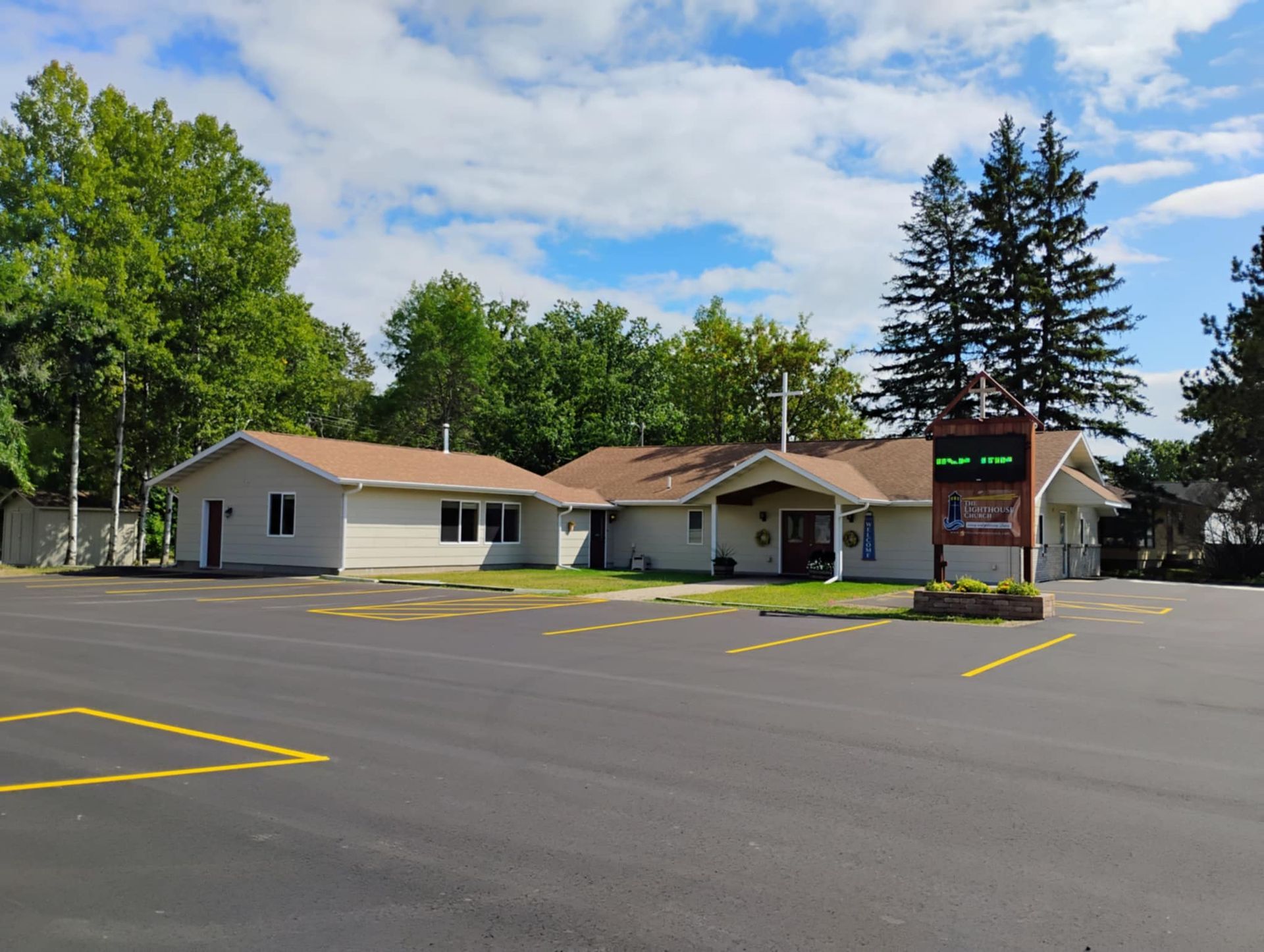
Finding a Church Home That Fits Your Family's Faith Journey Choosing a church is one of the most meaningful decisions a family can make. A church is more than a place to attend on Sunday mornings. It becomes a community where you worship, build friendships, receive encouragement, and grow spiritually together. If you're looking for the right church home for your family in Hackensack, MN, it's important to find a congregation that aligns with your beliefs, supports your spiritual growth, and helps you develop lasting relationships. For many families, finding the right church can become the foundation for a stronger faith and a more connected family life. The search can feel overwhelming at first because there are many factors to consider. You may be looking for biblical teaching, opportunities for fellowship, programs for different ages, or a welcoming environment where your family feels comfortable. Fortunately, taking a thoughtful approach can help you identify a church community where you can truly belong. Churches like The Lighthouse Church strive to create an atmosphere where people can grow in their relationship with Jesus while building meaningful connections with others.

A Warm Introduction to Evangelical Free Churches in Hackensack If you’re exploring Evangelical Free churches in Hackensack , you’re likely searching for more than just a place to attend—you’re looking for a place to belong. Whether you’re new to church, returning after some time away, or simply curious, stepping into a local church can feel like a big decision. The good news is that Evangelical Free churches are known for being welcoming, Bible-centered, and focused on genuine relationships. In Hackensack, communities like The Lighthouse Church reflect this heart by creating an environment where people can grow in faith and feel at home. From the moment you walk in, you’ll notice that it’s less about formality and more about connection.

Why Evangelical Church Practices Matter Today In today’s fast-paced and often disconnected world, people are searching for something real—something that grounds them, inspires them, and gives life deeper meaning. That’s where strong evangelical church practices come in. These practices are not just routines or traditions; they are intentional rhythms designed to shape faith, build community, and inspire people to live out their beliefs daily. At The Lighthouse Church, these practices are lived out in ways that are both practical and deeply spiritual, helping individuals move from simply attending church to truly growing in faith. When churches focus on m eaningful practices, they don’t just gather people—they transform lives.

In a world where faith communities take many forms, Evangelical churches stand out for their distinct beliefs, practices, and community focus. While Christianity has a rich and diverse history, Evangelicalism emphasizes a personal relationship with Jesus, the authority of the Bible, and active participation in sharing the gospel. These core principles influence everything from worship style to outreach, making Evangelical churches a dynamic force in today’s religious landscape. At Lighthouse Hackensack, we have seen firsthand how these traits foster meaningful connections and impact communities in profound ways.
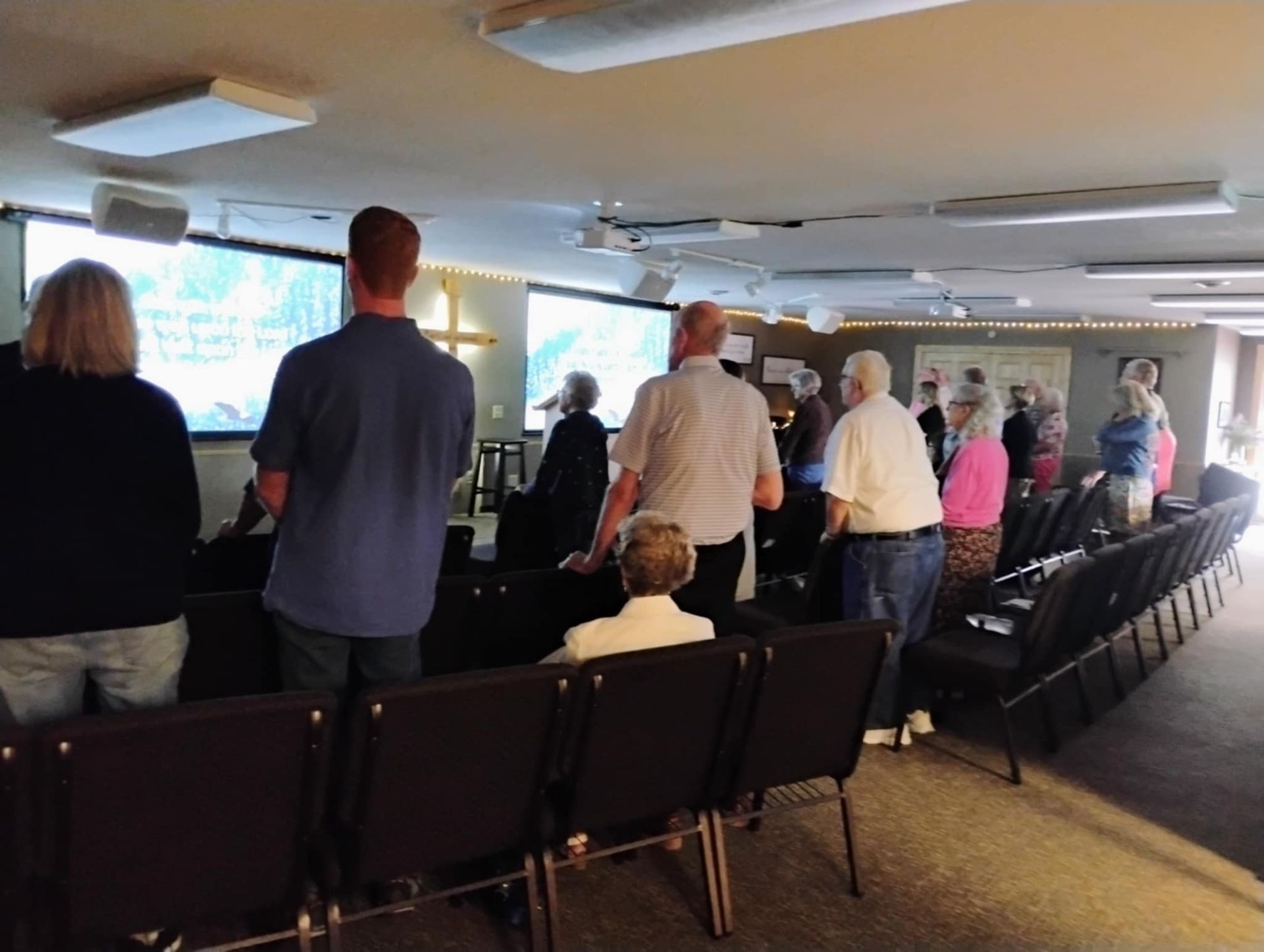
Finding a church home is a deeply personal journey, especially if you’re seeking a place where faith, community, and purpose come together. If you’re exploring how to join an Evangelical church in Hackensack, you’re not alone—many people are searching for meaningful connection and spiritual growth in today’s fast-paced world. Evangelical churches are known for their strong focus on the Bible, personal faith, and authentic relationships, making them welcoming spaces for individuals and families alike. This guide walks you through simple, encouraging steps to help you feel confident and excited about joining an Evangelical church community in Hackensack.

Finding light in the midst of darkness is a universal human desire, yet the journey toward peace often feels deeply personal and unique. For many, the sanctuary of a faith community provides more than just a place to worship; it offers a lifeline during life's most turbulent seasons. At The Lighthouse Church , we believe that sharing our testimonies is one of the most powerful ways to build a bridge for others who are still searching for their way home. These stories aren't just about religious rituals but about the transformative power of grace and the tangible hope found in a relationship with Jesus Christ. By looking at the lived experiences of evangelical church members, we can see a pattern of resilience that transcends circumstance.